Wednesday, 7 August 2013

Knots You Need To Know (Part 2)

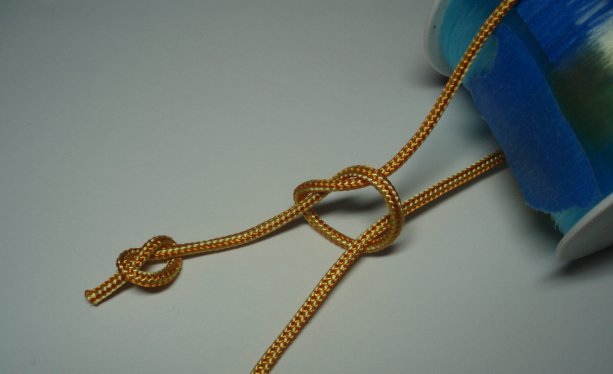
Last week we introduced to you one of the common knots you'll use in your fishing expiditions, the Arbor Knot. This week we bring to you the most popular knot... the Improved Clinch Knot.

These knots are the most popular for attaching hooks, swivels, snaps, lures, flies and sinkers on alight line.

The Improved Clinch Knot

STEP 1
Pass the line throught he eye of the hook and wrap the tag end around the standing line five times.


STEP 2
Bring the tag end back and pass it through the loop you created above the eye.


STEP 3
Now pass the tag end back through the big loop.


STEP 4
Moisten the knot area with a bit of saliva. Hold the tag end in one hand, the standing line in the other and pull slowly at the same time. Slide the coils tight with your fingernail. Clip the tag end.


If you have any knots you'd like us to share, let us know in the comments below, or share your tips on our Forum.


Friday, 2 August 2013

Knots You Need To Know

In your years of fishing you are bound to learn plenty knots, but there are 2 that you will need to know and use the most. Before we look at those a little closer, we need to understand a few terms first.

"standing line"
This refers to the part of the line that is not used/involved in making the actual knot; thepart of the line that 'stands still'.

"tag end"
This refers to the part of the line that is being used when making the knot; the end of the line.


Now let's move on to the first knot you need to know...


The Anchor Knot
This knot is used to tie the line and backing onto your reel. Very simple. 

STEP 1
Pass the line around the arbor.


STEP 2
Tie an overhand knot in the standing line.


STEP 3
Tie another overhand knot in the tag end.


STEP 4
Moisten the knots with saliva - the lubrication keeps the line from weakening from the friction of tying. Hold the tag end on either side of the knots and pull tight.


Cut off any excess line above the knot in the tag end, snug the knot down and you're all done!


A really simple and easy one for you to try out this weekend. Next week we'll be taking a look at the Improved Clinch Knot!


Wednesday, 24 July 2013

Top 5 Catch-and-Release Tips

With catch-and-release becoming more and more popular amoung fishermen who want to ensure that their favorite fishing spot remains good, it is important that we all make ourselves aware of how to remove hooks from fish properly. It is also very important to make sure that the fish's safety is a top priorety, so that it may carry on living without injury once you've released it.

To help you out, here are 5 catch-and-release tips.


1. Use Fish-Friendly Hooks

Research has shown that the most important factor in the fish's survival is where the hook is caught in the fish's body. Hooking a fish in the gills or gullet gives it a 65% chance of survival because of the risk of fatal internal injuries. However, hooking a fish on the lip or jaw area misses any vital organs, giving the fish a 95% - 99% chance of survival.

It is best to use a Barbless Circle Hook or a "J" Hook.


2. Reel In Quickly


After hook location, the second major factor in the fish's survival is the amount of stress the fish has been put through during the course of the struggle. The closer the fish has been pushed to exhaustion during the reeling in struggle, the less chance it has of survival, while one that is caught and released with less stress can recover within 24hours and can often not even show no side-effects from its experience.

To increase your chances of reeling in your catch quicker, make use of a heavier leader.


3. Learn How to Handle a Pair of Pliers


The quicker you get a fish back into its natural habitat, the less stress it experiences. You must work fast and knowing how to handle a pair of pliers will help you with that. Make sure you keep the fish underwater and use the pliers to remove the hook. Grasp the hook with the pliers and twist your wrist, so that you can unhook and release the fish at the same time.

Touch the fish as little as possible. The slimy, protective mucus coating on its skin helps protect it from disease, so you need to avoid damaging it. Always make sure your hands are wet if you need to handle the fish.


4: Pacify a Difficult Fish


If a fish-friendly hook has been used and it hasn't hooked in to deeply, then unhooking and releasing a fish will be pretty easy. If you're faced with a big, strong fish that has plenty of fight in it, the constant movement from the fish could make it difficult to getting it unhooked.

We suggest you try this trick: while keeping the fish underwater, turn the fish belly-up. This disorientates and pacifies the fish for a few seconds, giving you enough time to safely remove the hook and release it.


5: Know When to Leave the Hook in the Fish


If, despite you taking all the necessary precautions, you are faced with a fish hooked in the gills or gut, or even if it seems to be stuck into it's lip, DO NOT try to remove it. Trying to remove it may tear the fish's flesh or internal organs and increase its injuries. Simply cut off as much othe hook as possible and release the fish back intot he water. Most hooks that are left in will rust and fall out or dissolve.
It is therefore important that you do not use hooks made from stainless steel or any other corrosion-resistant material. Also avoid using treble hooks as they not only have two extra points which increase the chances of hurting the fish, but also take more time to remove.


Remember it's not enough just to throw back a fish after you've caught it. Using good catch-and-release techniques, especially when it comes to removing the hook from a fish without causing serious injury, are very important to ensuring that your fish has the best possible chance of survival.

If you would like to share some of your own "Catch-and-Release Tips" you can do so in the comments below or post them to our forum.



Friday, 12 July 2013

Part 3: The REEL Deal

First we showed you how to "Get REEL" and then how to "Keep it REEL"... so for our last instalment we're talking about the REEL Deal... the Offshore Reels.

These reels are tough and were made to handle the harsh offshore conditions that would normally destroy other reels. Between fighting monster-sized fish, salty seawater splashing all over you and your reel and waves crashing into your boat, the offshore reel does a great job of handling it all. It is an endurable reel that can handle harsh fishing conditions. Being as good as it is does come at a price though, a very expensive price at that, but if you look hard enough you should be able to find a good deal.

Let's take a look at the 3 different types of offshore reels:

Threadline Reels


Also commonly known as the "eggbeater" reel, the threadline reel is easy to use and easily adaptable to any situation. This durable and tough reel will see you through most battles with any kind of fish. Priced in the middle range makes it a great investment.


Overhead Reels
These come in many different shapes and sizes. With an overhead reel, you also receive a lever drag, which can help you to get through the most trying times with fish.


Non-sidecast Avey's Reels


Originally made in Australia, Non-sidecast Avey's became so good that they expanded globally and became one of the most popluar eels in the world. These reels are often mounted onto a boat as a deck-winch. They are a great all-round fishing reel, but fantastic for big game.


That brings us to the end of our 'Types of Reels' series and now that you've got all the knowledge, it's time for you to go out there and have a REEL good time!

Don't forget to leave your comments below or event post to our Forum if you want to share your story/tips regarding the reel that you use!


Friday, 5 July 2013

Part 2: Keeping it REEL!

A continuation from last week's post... Knowing the difference between reels makes for a great fisherman, so this week lets "Keep it REEL!"

Here's a few more reels for you to take a look at:


Surf Fishing Reels


The surf fishing reels are a great option for those that do not have a boat. Casting from the beach and casting out far makes it great for big game fishing. These reels are known to have more strength than the conventional reels and with a powerful cast it can be highly accurate.

This type of reel offers outstanding control and allows to fish for a wide selection of different fish. It is a highly adaptable reel that can be used for multiple scenarios.


Fly Fishing Reels
With fly fishing you need to be able to cast in the right spot, so the reels have been designed with high accuracy in mind. They are extremely durable and last for many years. There are also different types of fly fishing reels specific to the type of fish you want to catch.

If you are looking to make a one-time investment in a fishing reel, then I would suggest you opt for a fly fishing reel.


Trolling Reels


These reels were designed purely for big game fishing. Trolling reels are smooth and can handle the fight when you're reeling in that big fish. Certain reels cannot handle big game combat, but with a trolling reel you are guaranteed to reel them in easily.


Centerpin Reels
As the reel runs freely from the axel, it allows for a long distance cast. Centerpin reels are great for big game fish, such as carp, because it gives you a lot of control over them. Mostly used by coarse fishermen, the centerpin reel was very popular in the 1960s in England. Today, however, it is not as widely used as some of the other types of reels.


Now that you have a bit more knowledge, go try some of these reels out. See which you like and come share your views and concerns on our forum or leave a comment below.


Friday, 28 June 2013

Part 1: Time to get REEL!

Every great fisherman should know the different types of fishing reels. If you do not, then luckily you have me here to explain it all to you.

The main reason you need to know which reel to use is because each fishing reel will give you a different experience, from casting out to reeling in the fish. Different fishing reels can also be better to use for certain types of fish than others.

Now it's TIME TO GET REEL...


SPINCAST REELS

Commonly used by casual anglers, the spincast real is relatively cheap, easy to use and great for those first time fisherman. It has a push button release that gives great accuracy. It is also one of the easiest to untangle; just open the bail of the reel and pull on the line.

This reel does not have much room for line capacity so you might not be able to cast out as far as you'd like. The line is more suited to smaller fish which makes it more difficult if you want to fish for big game fish. All in all, this is a great reel for beginners.


BAITCASTING REELS

The baitcasting reel not only looks great, but with no line twist during the release of the cast, its high accuracy and longer casting capabilities, this makes for a great reel! This reel is perfect for reeling in those big game fish. There is a slight setback when you are first getting used to it, but after a few hours of practice, you'll get the feel of it and want to use it most because of it's high accuracy.

There are also two different types of baitcasting reels:

Round Baitcasting Reels: This has a larger spool which holds more line, which is perfect for when you want to cast really far out.

Low-Profile Baitcasting Reels: This is more popular because of the reel being so easy to handle as well as being able to catch a wider variety of different fishing game.


SPINNING REELS

This type of real is another great one for beginners as it is very easy to learn how to use. They can also be easily affordable depending, like most things, on the type and brand that you purchase.

It is important that you learn when to release the reel; too soon and your line will end up going behind you, or too late which will result in your line being cast too close to you.


As there are plenty more reels for you to choose from, I'll be HOOKING you up next week with a few more options in Part 2. Until then...

KEEP IT REEL!


Friday, 21 June 2013

It's All About Respect


So you've got the Tips for Beginners from last week's post, but before you hang up that "Gone Fishing" sign and head out to your local fishing spot... there's something else you need to make yourself aware of: Etiquette.

Here are a few "Fishing Etiqutte" tips I can give you:

1. Respect the Fish
Returning the catch is a noble etiquette that you show to the victims of your hook. If your catch has received relatively little injuries, then weigh it, measure it and return it to the water. Remember, the fish that you do not need for consumption and which is relatively less injured, should be released back to the water.


2. Respect the Natural Facility
Do not pollute the location or create a garbage dump. In fact, as a lesson to others, if you see anybody else soiling the natural facility, prevent the action. Advise others to clean up their litter if necessary and rescue environment.


3. Respect the Water

Do not pollute water. Do not dump gasoline or other oil or any other pollutants in the water. If any kind of environmental damage or pollution has come to your knowledge, report it immediately with the proper authorities so that such can be prevented from happening again.


4. Respect the Natural Process

Get to know the type of fish you are catching and their life cucles. For example, if it so happens that you catch a fish which spawns around that time of the year, show the good sense to throw it back into the water. Do not harm the natural process.


5. Respect your Fellow Fishermen

Do not be a nuisance. Do not disturb the tranquility with radio or other music, use headphones instead. If you must use a mobile phone, keep it in discreet mode.


Now that you are aware of these unwritten "Rules & Regulations" go and spread the word... Educate your fellow fishermen and be a promoter of ethical fishing!

With all of the above in mind, hang up that "Gone Fishing" sign and remember to have fun.